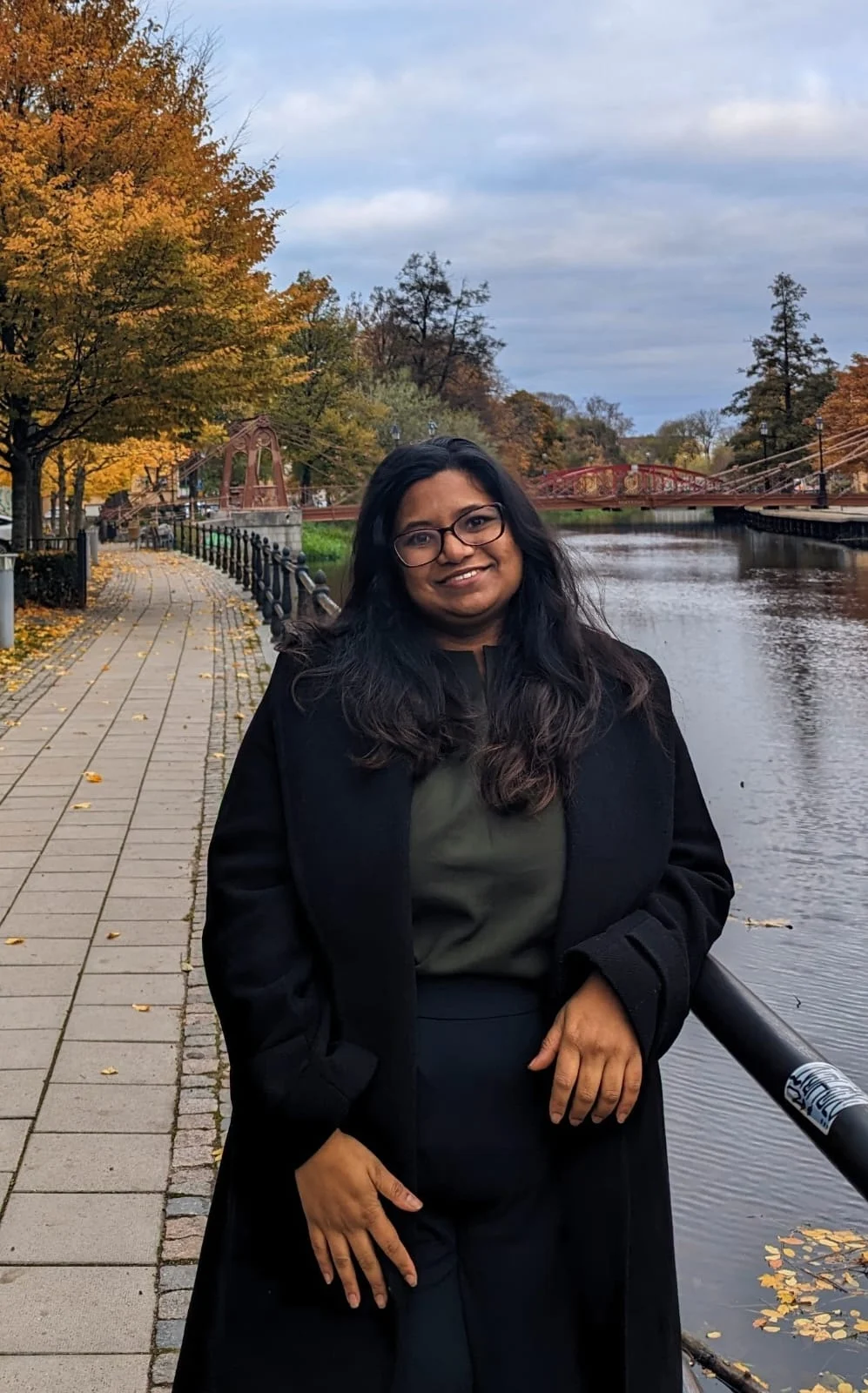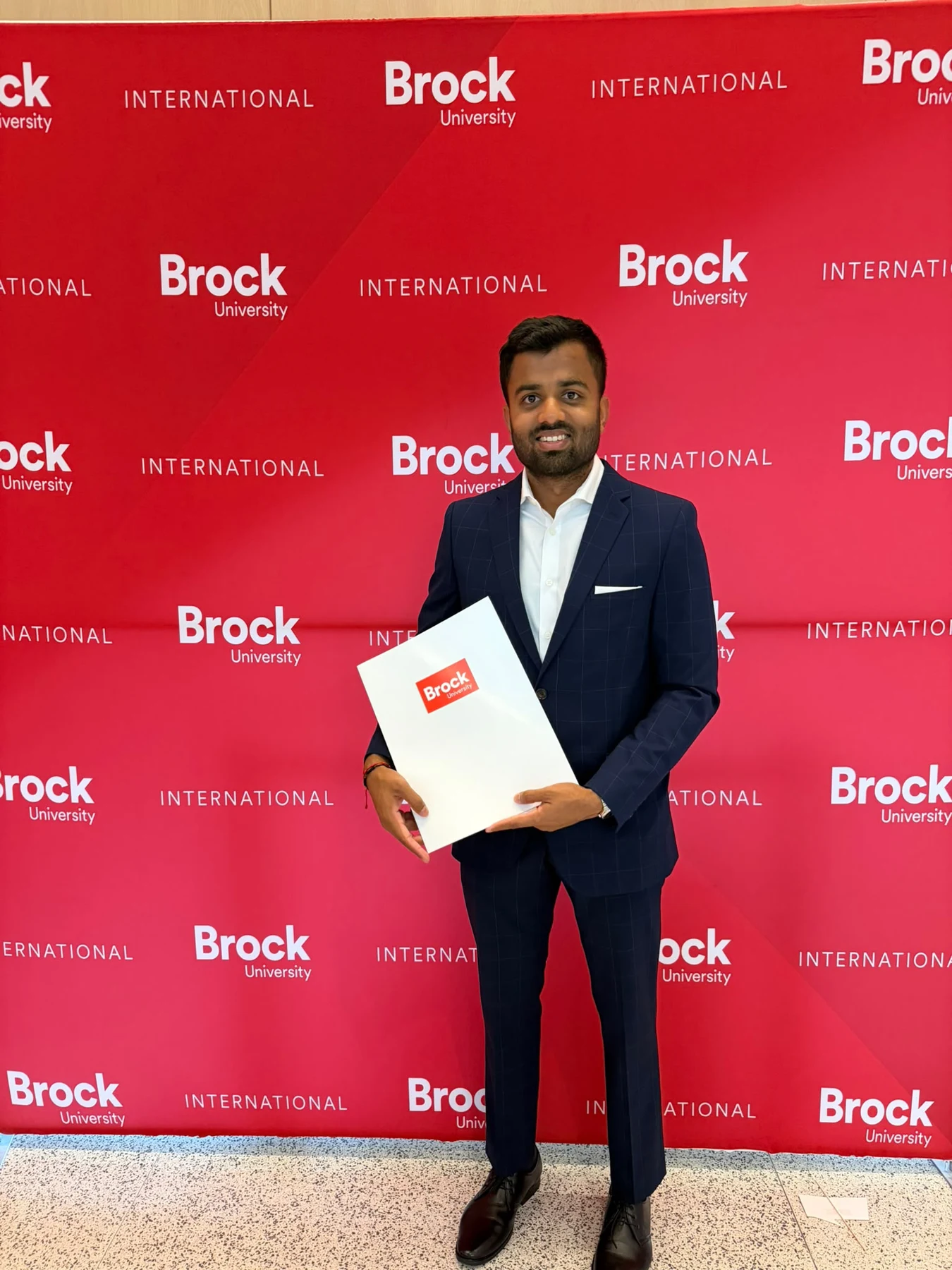
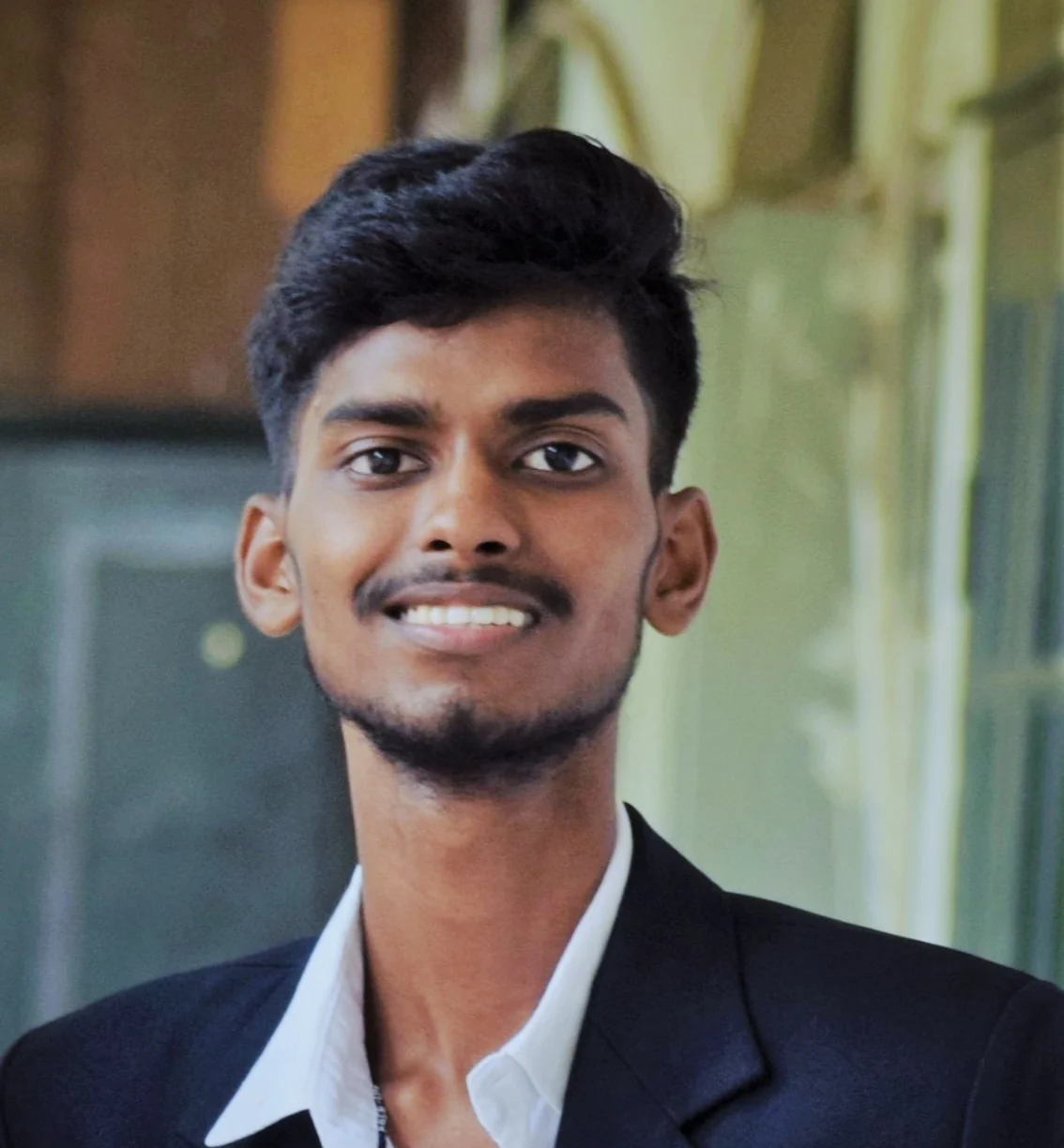
Dr. Abraham Peele Karlapudi
January 2025–present
Light-harvesting and photosystem gene responses under changing illumination.
- Co-author of the 2026 Plants study on transcriptomic remodelling in Acaryochloris marina.
We are a multilevel research group of theoretical chemists and computational biophysicists. Visiting researchers, doctoral, master’s, undergraduate and high-school researchers learn together while building independent scientific identities.

Principal investigator
Associate Professor of Chemistry · Brock University
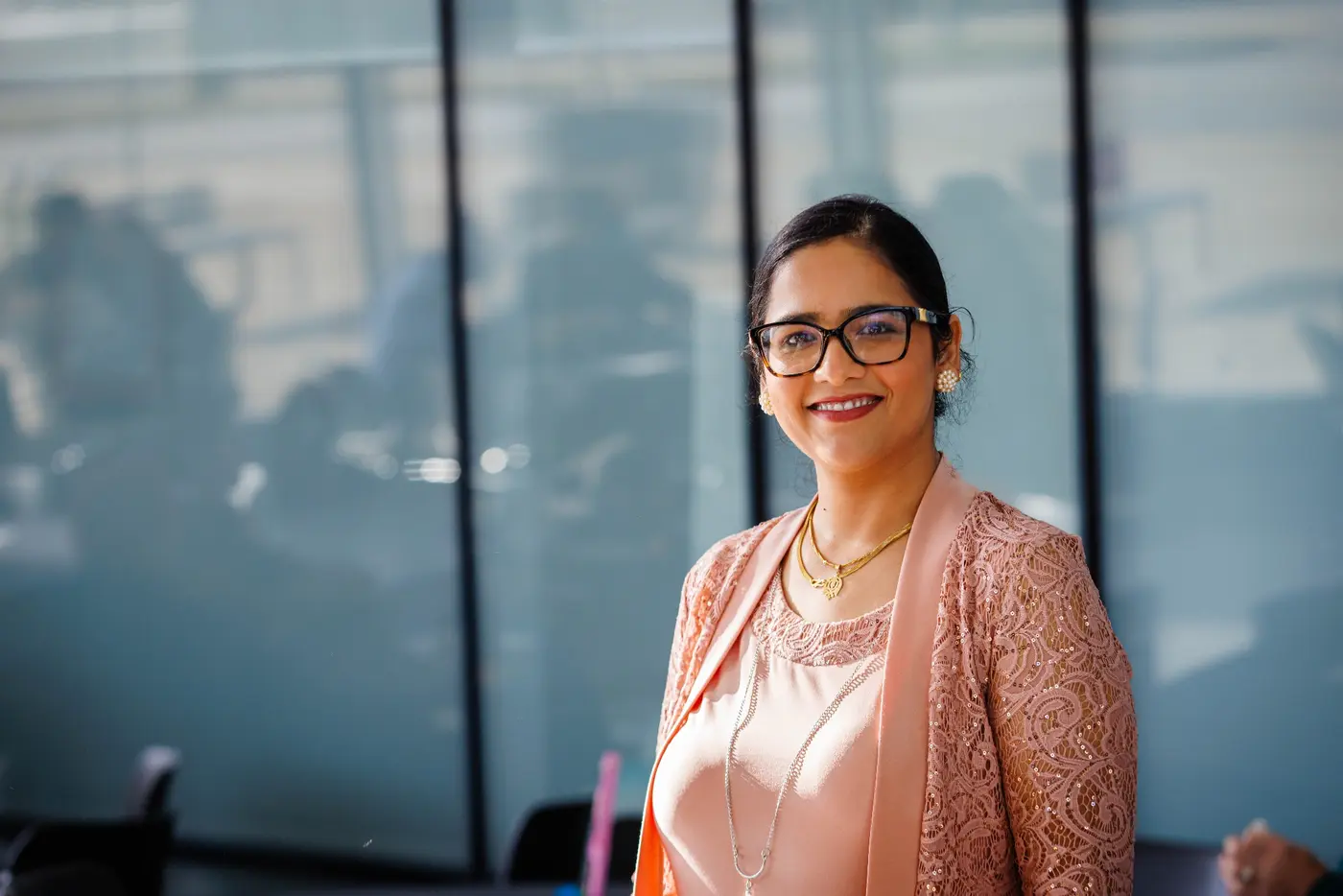
Divya is a theoretical chemist and computational biophysicist studying photosynthesis and molecular energy conversion. Her group investigates how protein environments shape electron and proton transfer, and how those principles can inform artificial catalysis and light-responsive biomaterials.
Her mentorship centres on clarity, scientific independence and belonging. She is particularly committed to creating routes into computational science for women, racialized and international trainees, caregivers, and students whose paths into research have not been linear.
Brock faculty profile ↗Current members
Projects are connected by a shared question: how does a molecular environment shape the capture, transfer and use of light energy?
January 2025–present
Light-harvesting and photosystem gene responses under changing illumination.
Spring 2026–present
Excitation and electron transfer in far-red photosynthesis, with a focus on the Photosystem I iron–sulfur pathway.
September 2024–present
Electrostatic and electronic tuning of chlorophyll redox potentials in photosynthetic reaction centres.
January 2026–present
Electronic structure in Photosystem I of far-red-acclimating cyanobacteria.
January 2026–present
Variation in primary electron-acceptor energetics in oxygenic photosynthesis.
April 2026–present
Acceptor-site energetics in far-red-acclimating cyanobacteria.
Joining Fall 2026
Graduate research direction to be developed with the group.
Undergraduate alumni
The lab is proud to support honours-thesis, project-course and early research trainees as they build skills and move into graduate study and professional programs.
Iron–sulfur clusters in Photosystem I of Acaryochloris marina.
Reaction centres of Photosystem I in visible- and far-red-absorbing cyanobacteria. Now an MSc student in the Kaur Lab.
Amino-acid surroundings in far-red photosynthesis through in silico mutagenesis. Now pursuing a master’s degree.
Completed a study of acceptor sites in far-red-acclimating cyanobacteria; now an undergraduate honours thesis student in the Kaur Lab.
Research training in computational biophysics.
Redox dynamics of Photosystem I iron–sulfur clusters in Acaryochloris marina. Now at Saba University School of Medicine.
Comparative acceptor-site analysis in Acaryochloris marina and other cyanobacteria.
Theoretical study of the acceptor site of far-red-light Photosystem I. Now at the University of Michigan Medical School.
Sir Winston Churchill Secondary School · Early research exposure in computational chemistry and photosynthesis.
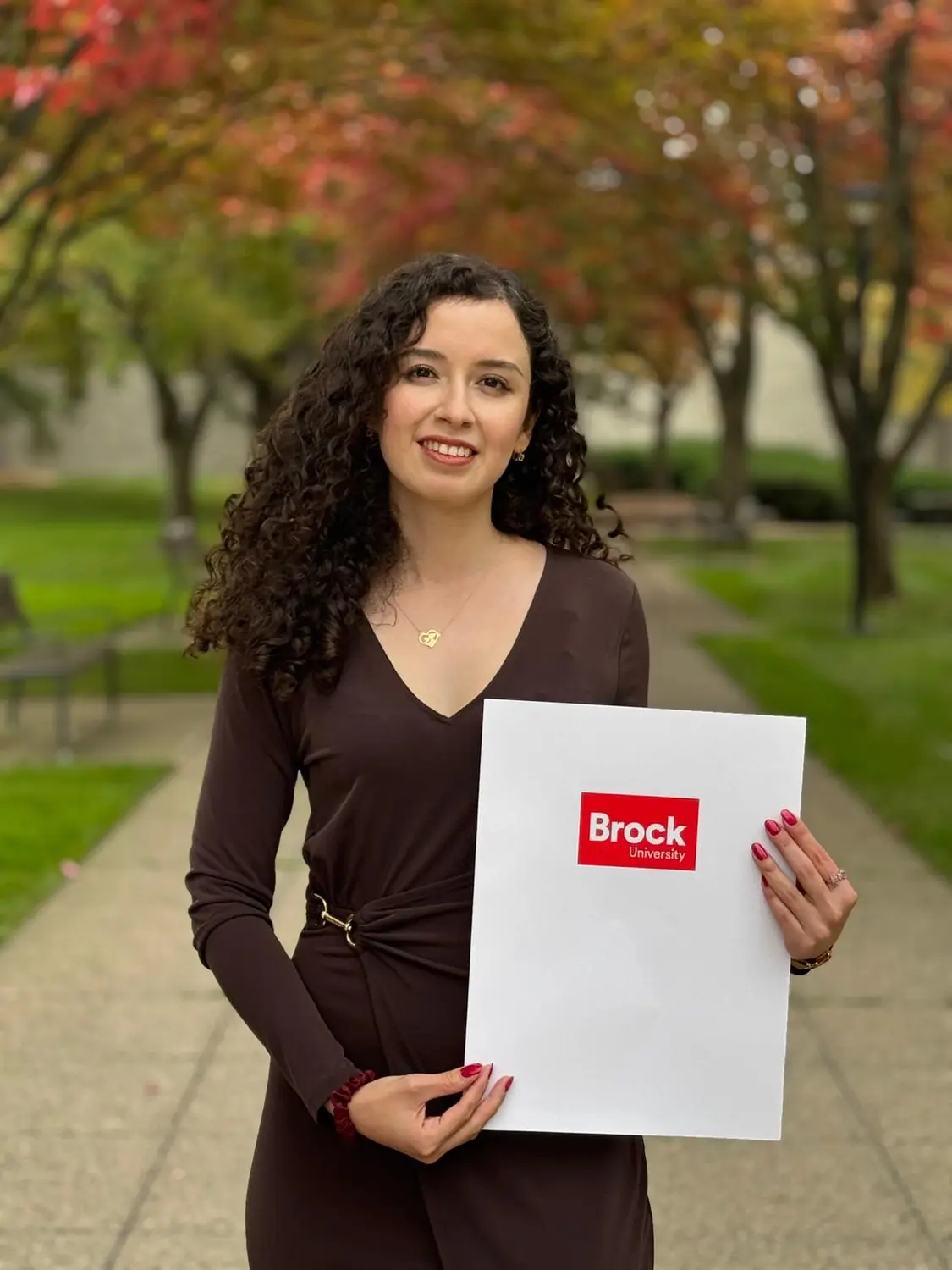
Alumni milestone · June 2025
Katayoun completed her MSc in Biotechnology in May 2025 and celebrated her thesis defence with the group in June. Her thesis, Theoretical Investigation of the Electronic Structure in the Reaction Center of Acaryochloris marina, helped establish an important direction in the lab’s reaction-centre research.
She is now a Process Technician at Eurofins Pharmaceuticals, a role she began in July 2026.